What is National Check-In Week?
National Check-In Week was established to ensure every child is seen, safe, heard, connected, capable and has an equal opportunity to learn regardless of background, identity, postcode or circumstance. It has built and provided Australia with a national picture of the issues affecting schools and students, while also revealing how these challenges differ across states, territories and regions. For the first time, National Check-In Week is asking that we establish baseline data that can identify emerging needs early and inform more targeted action. The data highlights a critical gap in education: schools are being asked to respond to increasingly complex student needs without consistent access to real-time insights and practical tools that give visibility and insight to early intervention. National Check-In Week 2027 is more than an awareness campaign. It is a national movement for early identification, early intervention and system reform. Its purpose is clear: To ensure connected information, to equip schools and decision-makers with the evidence they need to act earlier, reduce unnecessary burden on educators, and ensure every student can learn, be supported and thrive.
Register for replay and future events!Why This Matters
Australia's young people are facing challenges many adults never experienced themselves.
Growing Challenges
Anxiety, depression, loneliness, bullying, cyberbullying, school refusal, disengagement, social media pressures, and screen-related issues are affecting wellbeing, learning, attendance, and long-term outcomes.
Clearer Insight Needed
Schools, families, communities, and decision-makers need clearer insight into what young people are experiencing now and stronger ways to respond.
First-of-its-kind Data
For the first time, Life Skills GO will release its 15 Million Student Check-In Report during National Check-In Week 2027.
Student Voice at the Centre
This landmark release brings student voice to the forefront, offering rare insight into the emerging trends, pressures, behaviours, and wellbeing challenges shaping the lives of young people today.
What Makes NCIW Different
For the first time, Life Skills GO released its 15 Million Student Check-In Report during National Check-In Week 2026.
This landmark release brings student voice to the forefront, offering rare insight into the emerging trends, pressures, behaviours, and wellbeing challenges shaping the lives of young people today.
Combined with expert-led events, practical resources, and national discussion, NCIW creates a unique platform for deeper understanding and stronger action.
Who You'll Hear From
Through free webinars, events, and discussions, these voices will help unpack the most urgent issues affecting young people and the collective response needed across schools, families, systems, and communities.
What You'll Access
"When you don't know, you don't know yet.When you do know, it's time to act.If not now, when?"
Be Part of the National Conversation
The issues are here. The data is emerging. The conversation is shifting.
Join National Check-In Week 2027 as leading voices, current insights, and powerful student data come together to bring the realities facing young people into sharper focus.
View EventsWhat Schools Are Navigating — Without Enough Data
Critical wellbeing issues affecting Australian students that need better data and support
Mental Health
1 in 7 students experience mental health challenges, but many schools lack comprehensive data to identify at-risk students early.
Anxiety & Depression
Rising rates of anxiety and depression among students, with limited tools to track trends and measure intervention effectiveness.
Social Isolation
Post-pandemic social disconnection continues to impact student wellbeing, but schools struggle to quantify the scope.
Academic Pressure
High academic expectations contribute to stress and burnout, yet data on student workload impact remains limited.
Bullying & Safety
Cyberbullying and school safety concerns require better tracking systems to protect vulnerable students.
Family Challenges
Home environment factors affecting student wellbeing often go unreported due to privacy concerns and data gaps.
Wellbeing Across Australia
Discover how states and territories are prioritizing student mental health and wellbeing
Let Your Voice Be Heard
At National Check-in Week, we need your opinion to help us find the best solution. Join the conversation and make a difference in student wellbeing across Australia.
Join the ConversationOur Partners
Life Skills GO
Life Skills GO, designed in collaboration with educators, is an easy-to-use emotion and wellbeing data collection tool that measures student readiness to learn, supported with a comprehensive library of evidence-based and curriculum-aligned resources.
The Social Confidence Collective
The Social Confidence Collective works with young people to support them with their social goals, including both group-based and 1:1 intervention settings.
How to Participate
Register via the form on the right to access FREE webinars, professional development sessions, panels, tools, and teaching resources. As part of your participation, your school can receive two weeks of access to Life Skills GO, the platform that powers National Check-In Week. This includes:
Register Your School
If not now, when?
Unite for a New Era in Student Wellbeing
Australia is at a critical crossroads. The challenges facing young people are growing in scale, complexity, and consequence, yet many schools still do not have the tools, data, professional learning, and support needed to act early. National Check-In Week 2027 is more than a campaign — it is a national movement to elevate student voice, challenge outdated and fragmented wellbeing approaches, and drive systemic, generational change.
All events, tools and resources are free for every school and family.
Why It's Time to Lead
We're calling on school leaders, education departments, policymakers, and communities to help shape a stronger national response. Join us to:
A national movement driving change in student wellbeing
National Check-In Week is bringing together ambassadors, partners, experts, and organisations, such as those below, with a shared determination to shift the national conversation on student wellbeing. Together, they are raising visibility, strengthening understanding, and driving the collective action needed to create meaningful change for young people across Australia.

Nikki Bonus
CEO & Founder of Life Skills GO
Claudia Bou-melhem
Director of Wellbeing and Engagement K-12
National Check-in Week provides a national platform to elevate the conversations schools urgently need to be having around belonging, self‑regulation, behaviour, school refusal, and the changing realities young people are navigating. My work centres on building consistent, proactive systems that support students, staff and families, and I see National Check‑In Week as an opportunity to contribute to that broader movement. It’s a chance to share practical insights, learn from others, and help amplify the messages that matter most for student wellbeing and early intervention
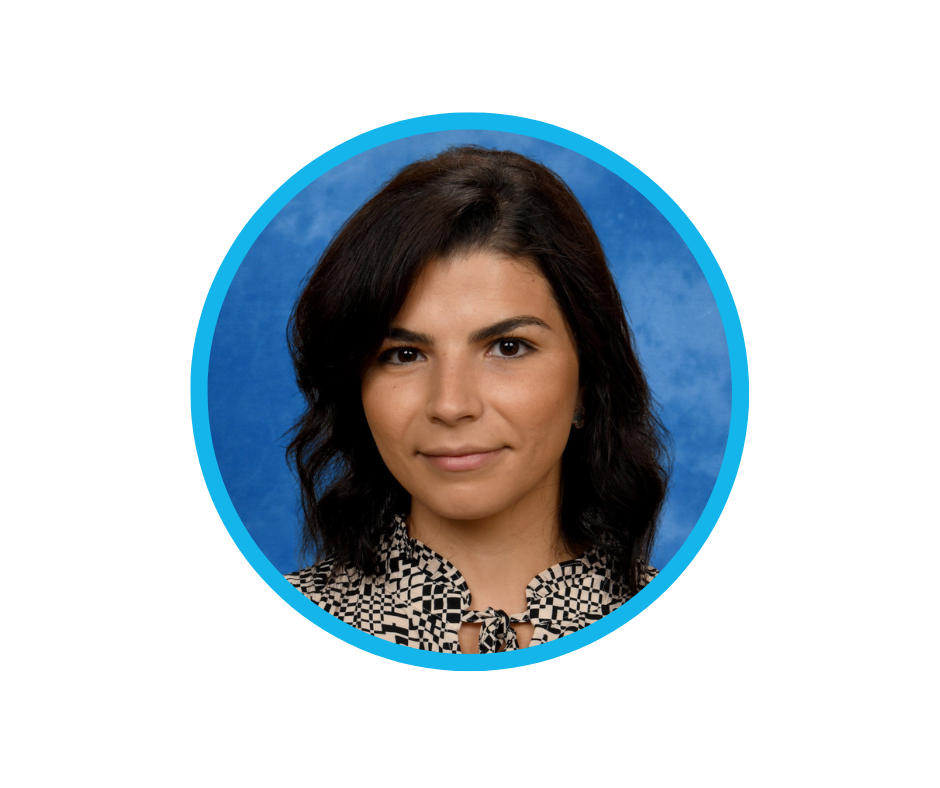

Ishita Vig
Lead Software Engineer - Life Skills GO
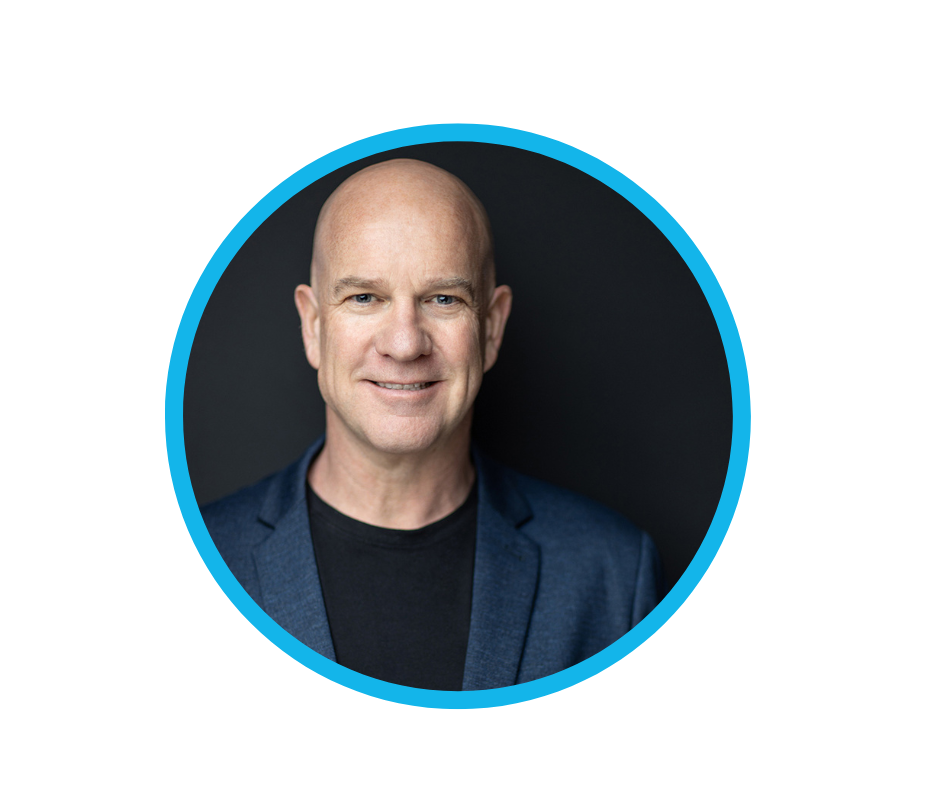
Dr. Mark Williams OAM
Professor of Cognitive Neuroscience, Author of “The Connected Species”

Gayle Walters
Executive Director Strategy and Communications at PeakCare QLD
National Check in Week is a way to show how valuable and important it is for all children and young people to have their school experience as a positive one. With so many external impacts on their lives/days knowing how they are and what they need emotionally and socially before we attend to the academically.
Geoff Masters
Director of World-Class Learning Systems
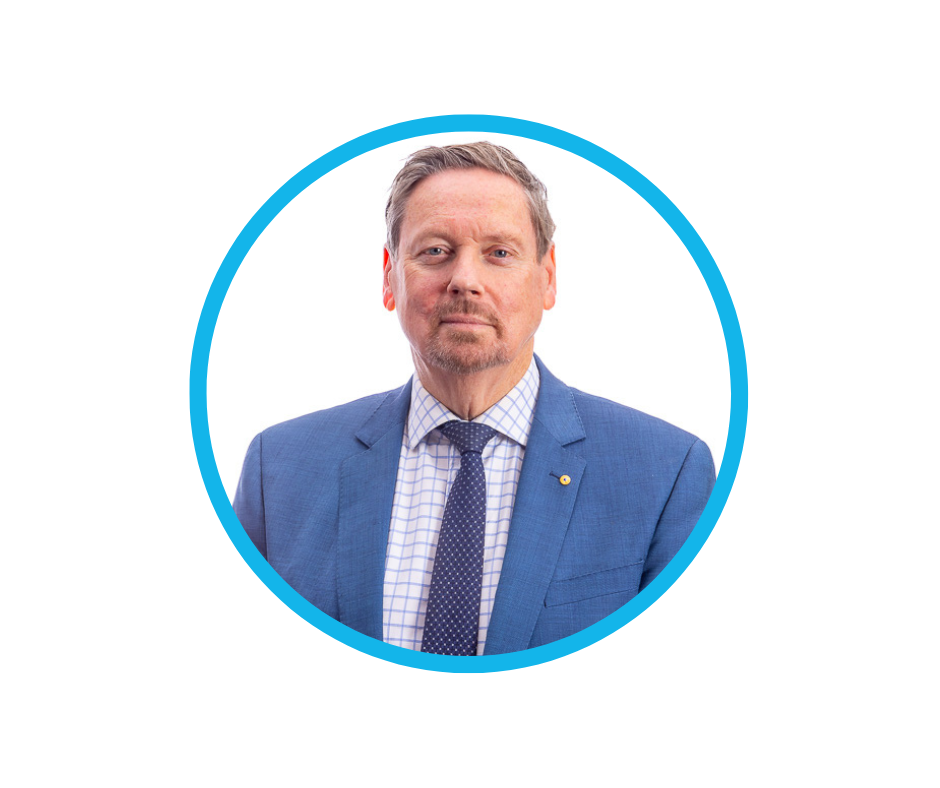
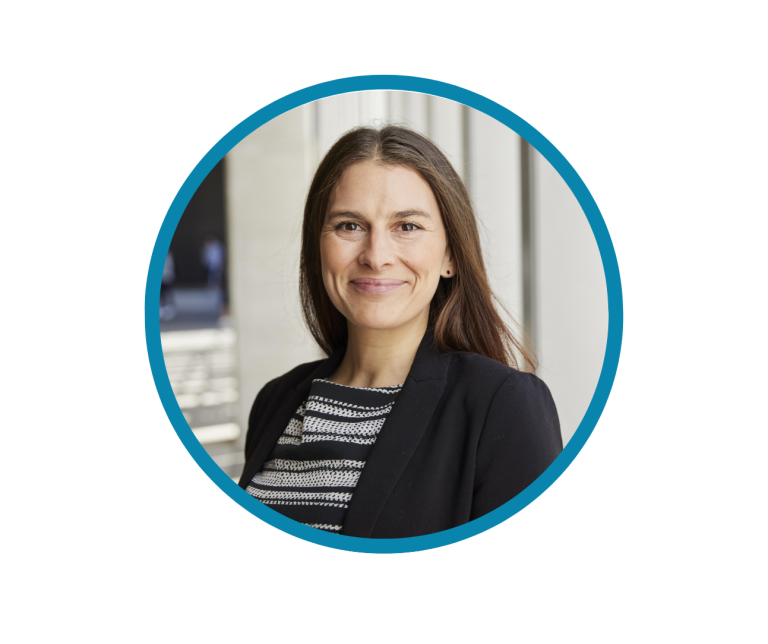
Dr Corrie Ackland
Clinical Psychologist
Carmen Colbeck
Head of Welfare at Indie School


Darryl Thompson
Principal
Ben Sacco
Managing Director at Education Economy
Children and young people have inherited a fast-paced world. Its evolving rapidly and whilst we are more open about mental health, we underappreciate biology and physical health. We are seeing much more heightened states of anxiety in households, and we need to reframe the way we label 'calls for help' as 'problem behaviour'. We can educate about consequences without diminishing a child or young persons right to express and learn through the process.


Sally Webster
Chief Operations, Strategy & Growth Officer at Life Skills GO
I’ve chosen to be involved in National Check-In Week because I believe every child deserves to be genuinely known, valued and cared for — not just as an aspiration, but in a practical, visible and actionable way.
As educators, parents and carers, we know young people can often mask what they are experiencing. National Check-In Week helps bring together student voice, wellbeing insights and other timely signals so teachers and school leaders can see patterns earlier, understand the whole child more clearly, and respond with the right care and support sooner.
Lisa Audino
School Re-engagement Specialist and Trainer


Dianne Giblin
CEO of Australian Council of State School Organisations (ACSSO)
We love the focus you have placed on National Check-in Week, highlighting the need to assess the wellbeing needs of very child in Australia.
Jo Rouse
Director & Senior Occupational Therapist at The Social Confidence Collective
I'm passionate about working with young people who are experiencing difficulties with their wellbeing that might impact on their school engagement. I've done this for my whole almost 20 year career in Occupational Therapy.

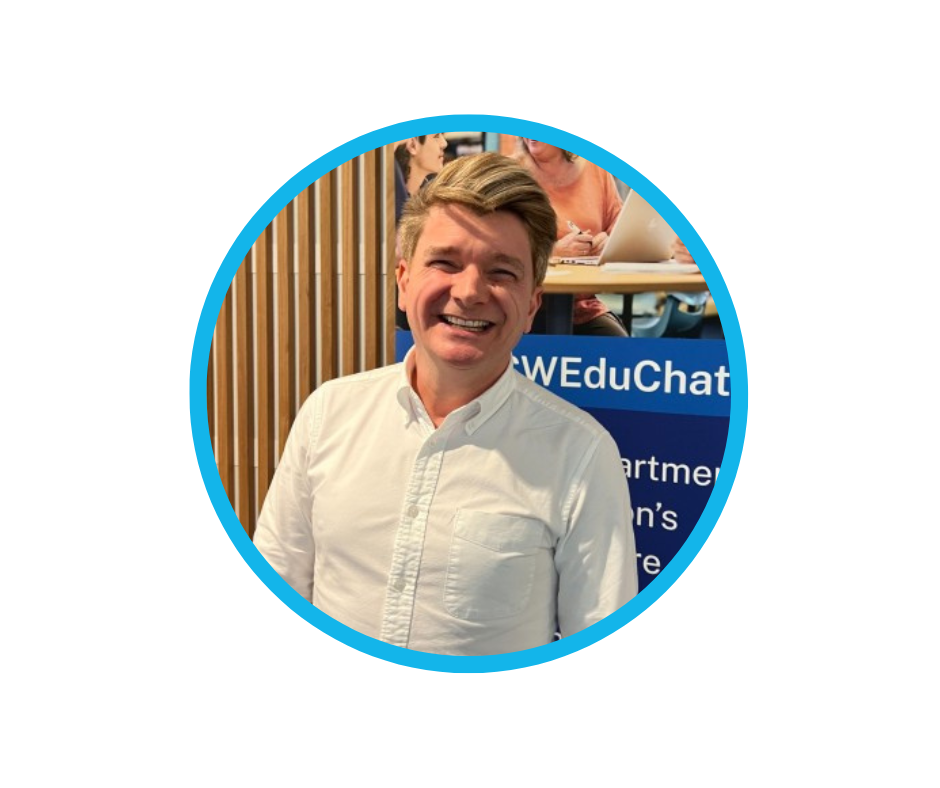
Dan Hart
CEO / Founder of CurricuLLM
We chose to be involved in National Check-In Week because student wellbeing is foundational to everything we do at CurricuLLM. We're building AI tools that sit alongside students as they learn, which means we have a direct responsibility to ensure those interactions are safe, supportive, and attuned to how young people are actually feeling.
When students interact with an AI tutor, the system needs to recognise when something isn't right and respond appropriately. That's why we're launching our Safety Centre, which gives schools real-time visibility into student wellbeing signals surfaced through conversation data.
National Check-In Week is a natural fit for us because it reinforces what we believe: that checking in on young people should be embedded in the systems and routines around them, not left to chance. We want to help schools move from reactive wellbeing support to something more proactive and continuous and purpose-built AI can play a meaningful role in that.
Andrew Pearn
Deputy Principal Wellbeing


Simon Torok
Client Engagement Manager - Sentral
The initiative is really important. It is something that gives students, families and teachers can all do a great deal with being involved with.
Karen Robertson
CEO of Life Education Australia
National Check-In Week is a timely reminder that wellbeing starts with noticing, listening and acting early. In my roles across education and parent advocacy, I see how powerful simple, intentional check-ins can be in helping children feel safe, seen and supported.
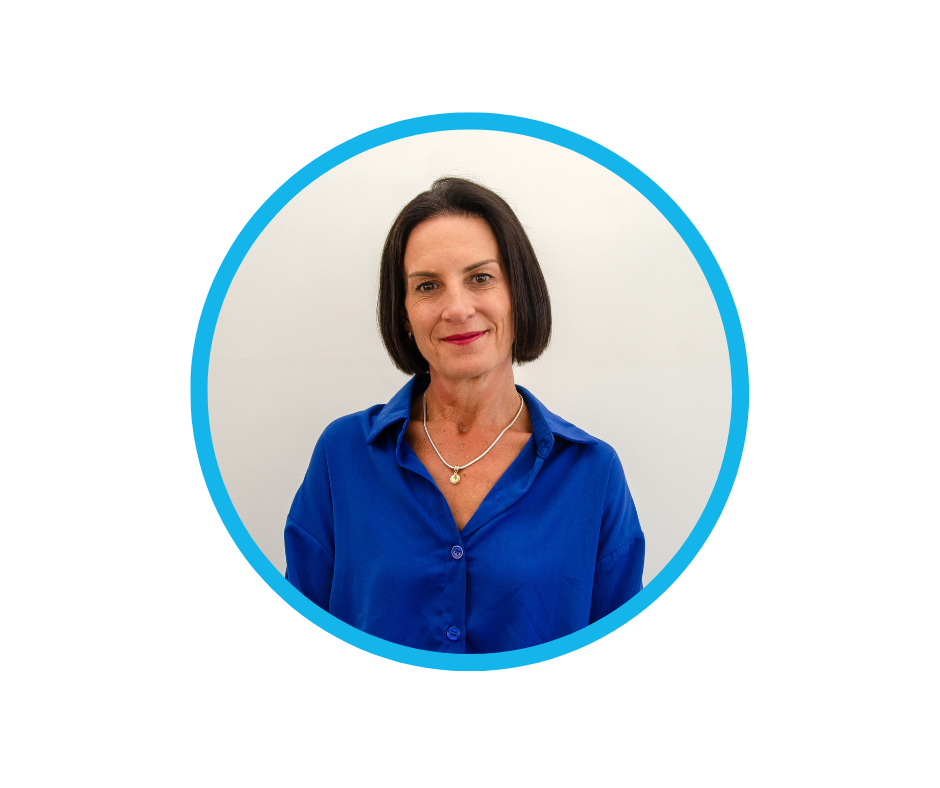

Richard Crawshaw
CEO / Founder of Can't Face School
The values of National Check-in Week align with Can't Face School particularly our mission to support young people who are disengaged or unable to attend mainstream schooling to re-engage in education, develop life skills, and achieve positive wellbeing and future pathways.
Dr. Neil Hawkes
D. Phil (Oxford), MEd, BA, FRSA — Values-based Education
If we really do care about our students’ wellbeing then teaching about Self-regulation should be the priority for schools. Values-based Education (VbE) and its Inner Curriculum enables schools to focus on the development of Self-regulation.
Its overarching educational philosophy and pedagogy nurtures staff and students holistically. This process underpins everything the school does, giving students access and experience of a rich ethical vocabulary, which nurtures their essence and enables them to be Self-led.
Self, they will learn, is the essence of their consciousness.The outcome of creating a Values-based School is Self-regulated students who take control of their wellbeing and develop positive character traits.


Gemma McLean
VP Digital Sales at TTEC Digital
Matthew Esterman
Founder of The Next Word
I have chosed to be involved in National Check-in Week this year as I'm inside schools every week and I see the gap between what systems measure and what young people actually experience. I recently ran an AI readiness audit where staff flagged that student anxiety around AI-generated deepfakes was escalating but no one had asked the students what they were actually worried about. The simple act of checking in has been skipped entirely in many cases.
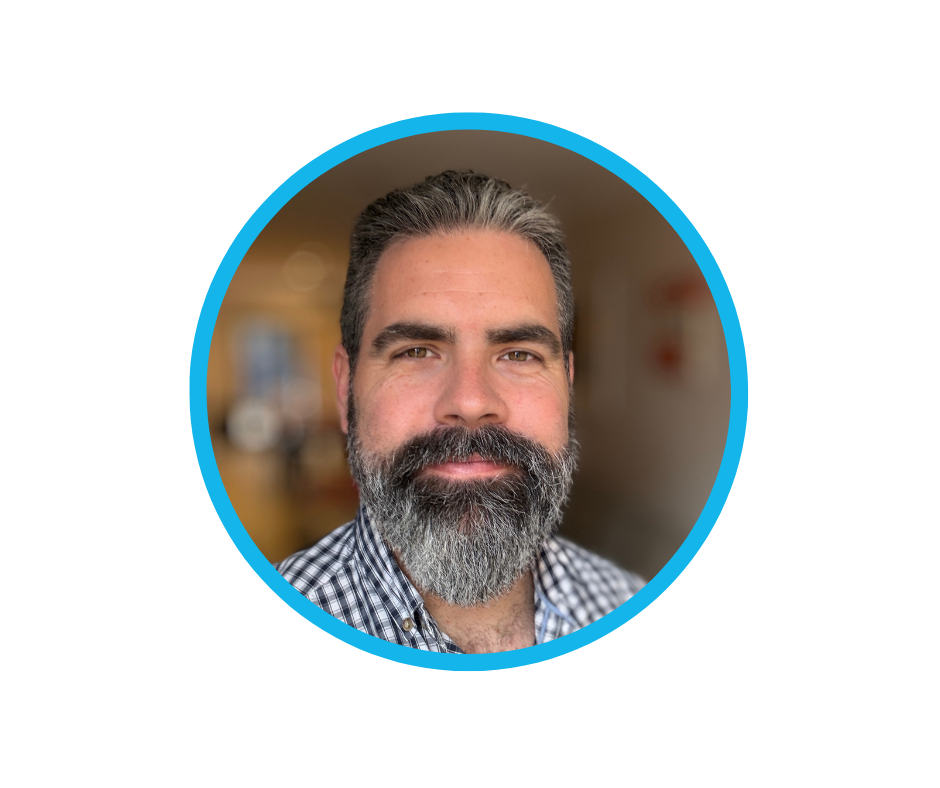
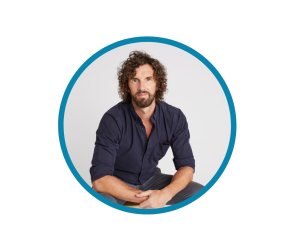
Gavin McCormack
Montessori Educator & Co-founder, Upschool.co
Dr Phil Lambert
Education Expert — Former General Manager, ACARA
This is an important cause and it shines a light on a key contemporary issues